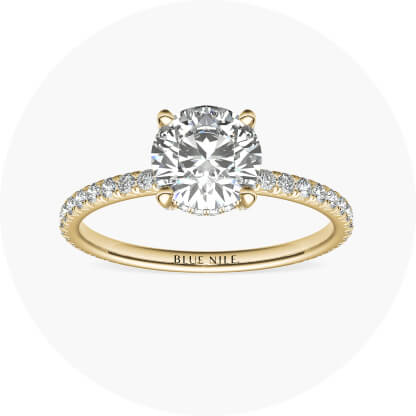
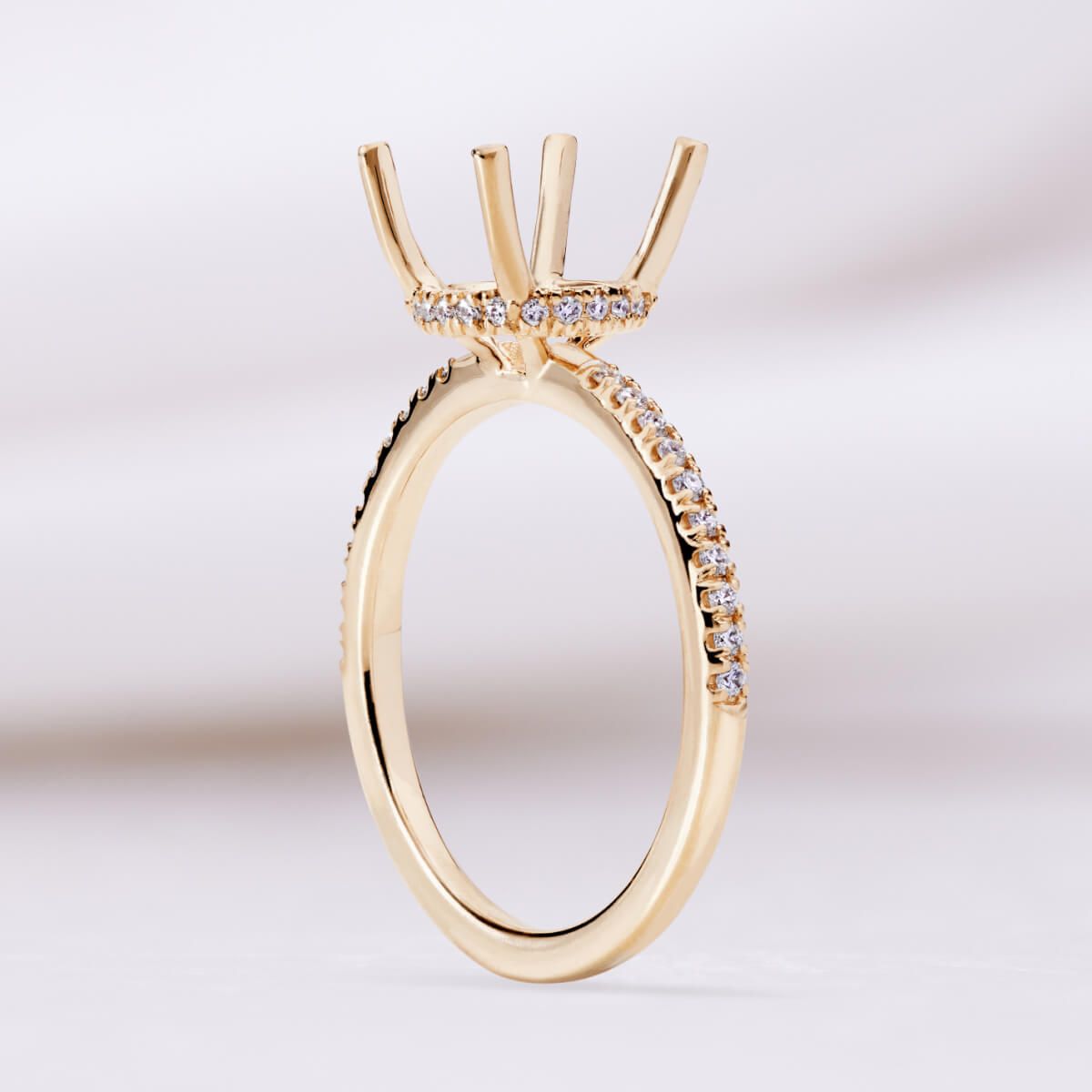
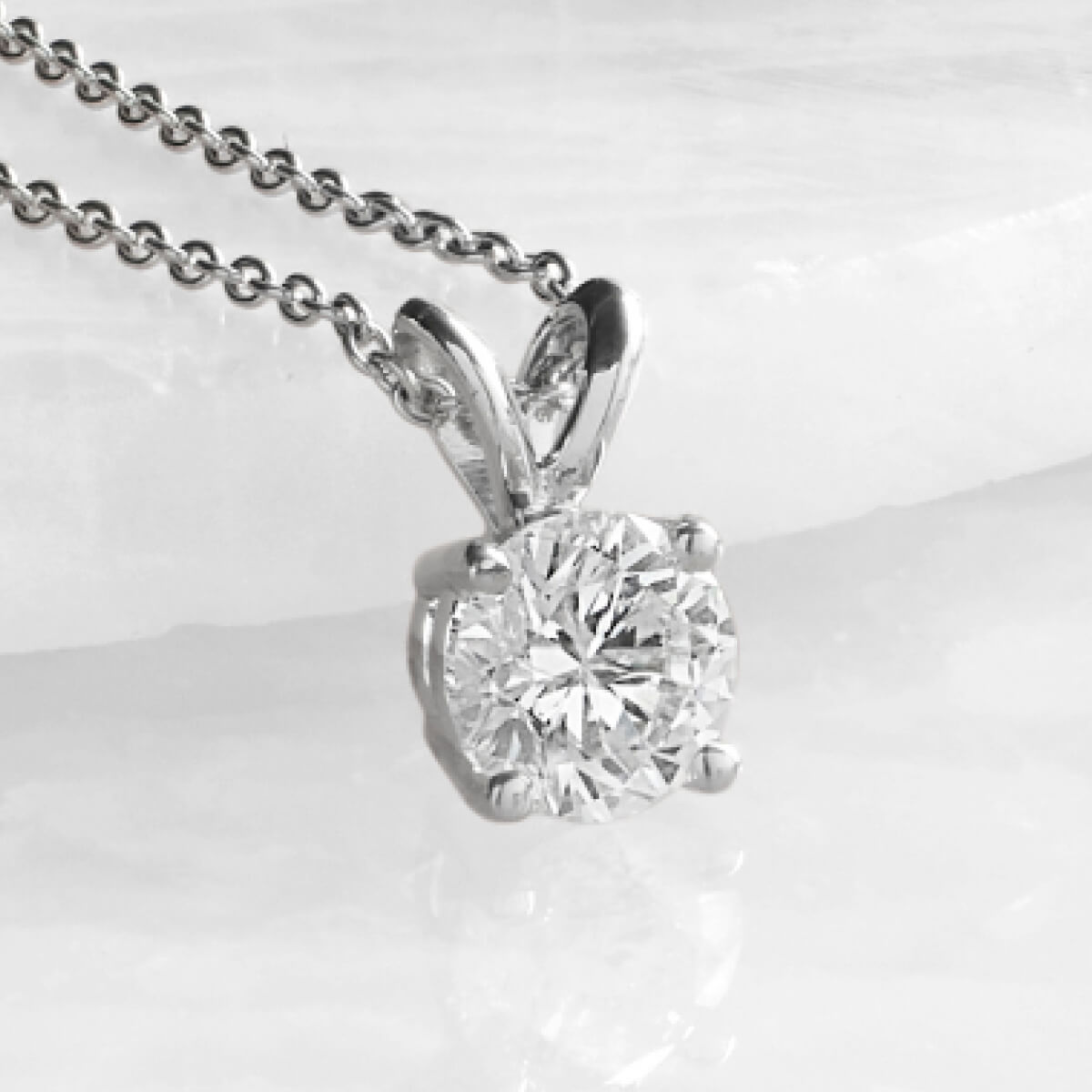
Bring your love to life with a handcrafted design that perfectly suits your relationship, budget and style. Our expert artisans will pour their passion into every detail of your beautiful custom engagement ring.
Meet our personal jewelers, explore bestselling styles, pick up an online order, arrange to preview something from our online collection and so much more.
Book a fun and interactive appointment with a diamond expert and get up-close views of diamond and jewelery options from the comfort of your own home.
Amazing Value
The highest-quality design at a great price.
Peace of Mind
30-day returns, diamond price-match guarantee and more.
Expert Guidance
The original online jeweler since 1999.
Inspiring Assortment
The perfect pieces for every occasion.
Handcrafted In New York
Our highly skilled artisans exceed industry standards with sparkling GIA-graded natural diamonds, the finest-quality materials and outstanding engagement ring design at an amazing value.
Follow us on Instagram for gorgeous engagement rings and wedding bands, real life proposals, and dreamy wedding day inspiration. Be sure to tag us in your Blue Nile jewelry pics @bluenilediamond for a chance to be featured.